



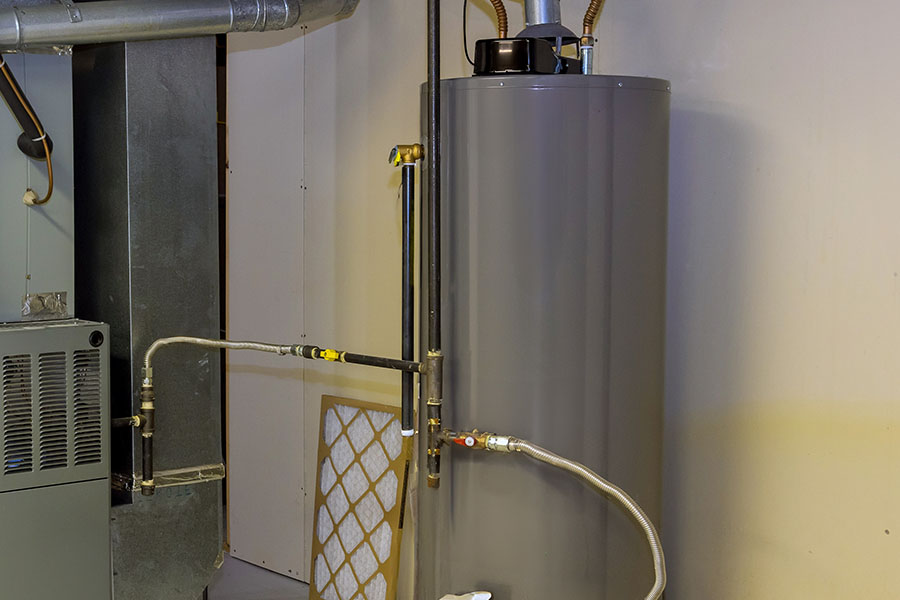
A water heater is one of those home systems that tends to go unnoticed until something goes wrong — and when it does, the disruption to daily life is immediate. Cold showers, rusty water, mysterious odors, and unexplained leaks are all signs that the unit needs professional attention. For homeowners in Whittier, CA, recognizing these warning signs early is the most reliable way to avoid costly emergency repairs and keep hot water flowing consistently throughout the home.
Whether the property is in a long-established neighborhood near Whittier Narrows or a newer development along Colima Road, water heater problems follow predictable patterns. Knowing what to watch for makes the difference between a manageable repair and a full unit replacement. Happy Camper Heating, Air & Plumbing is available 24/7 to help Whittier homeowners address water heater concerns before they escalate.
Common Water Heater Problems and Solutions
Water heater issues are present in recognizable ways. Inconsistent water temperature is one of the most frequently reported complaints — when a shower swings unpredictably between scalding and cold, a malfunctioning thermostat or failing heating element is usually the cause.
Leaks around the base of the unit are another common problem. They can indicate a failing tank, loose connections, or a compromised pressure relief valve — none of which should be left unaddressed. Rusty or discolored water is a third major indicator, typically indicating internal corrosion in the tank.
When any of these warning signs appear, prompt professional evaluation is the appropriate response. At Happy Camper Heating, Air & Plumbing, our technicians assess the situation accurately and recommend the most effective path forward — whether that is a targeted repair or a more comprehensive solution. Our water leak repair and installation services cover the full range of issues that arise with water heater systems, from minor connection problems to more serious tank failures.
1. Strange Noises Coming From the Unit
Unusual sounds from a water heater are one of the clearest indicators that something requires professional attention. Different types of noise point to different underlying issues, and none should be dismissed as normal operational noise.
- Banging or popping: These sounds are most commonly caused by sediment accumulation at the bottom of the tank. As the heating element works against the buildup, it creates the audible popping or rumbling that homeowners often describe.
- Hissing or whining: These noises frequently indicate pressure-related issues, either within the tank or at the pressure relief valve.
- Whistling: A whistling sound can signal a restricted valve or fitting that is impeding water flow.
Working in homes across Whittier, we consistently find that water heaters making unusual noises have underlying issues that are far easier to address when caught early. Allowing these sounds to persist typically leads to accelerated tank wear and a higher likelihood of failure. When strange noises appear, a professional inspection is the right next step.
2. Inconsistent Water Temperatures
Few things are more disruptive to a household routine than unpredictable hot water. When the temperature swings during a shower, takes far longer than usual to reach a comfortable level, or varies noticeably between different fixtures in the home, the water heater is signaling that something is not functioning correctly.
Three specific temperature-related symptoms worth taking seriously:
- Sudden temperature drops: Water that goes cold mid-shower without explanation often points to a failing heating element or thermostat issue.
- Extended heating times: When hot water takes noticeably longer to arrive than it used to, the unit is working harder than it should to achieve the same result — a sign of declining efficiency.
- Temperature variation between fixtures: If water temperature differs significantly from one faucet or shower to another, the heater may not be maintaining consistent output, which warrants a professional assessment.
These symptoms do not resolve on their own. A qualified technician can diagnose whether the issue lies with the thermostat, heating element, or another component, and carry out the appropriate repair to restore reliable performance.
3. Rust or Sediment in the Water Supply
Discolored water coming from hot water taps is one of the more alarming warning signs a water heater can produce — and it deserves immediate professional attention. Rust or sediment in the water supply typically indicates corrosion developing within the tank, compromising both water quality and the unit’s structural integrity.
During our service calls throughout Whittier, rust-colored hot water is often traced to a deteriorating anode rod — the sacrificial component that absorbs corrosion before it reaches the tank walls. When the anode rod is depleted, the tank itself becomes vulnerable. Sediment buildup at the bottom of the tank is a related issue that reduces heating efficiency and, over time, can contribute to tank damage.
If gas components are involved in the water heating system, gas leak repair and installation should also be part of the professional evaluation to ensure the system is safe and functioning correctly alongside the water heater repair.
Prompt professional service when rust or sediment appears is the most direct way to protect both the water supply and the unit itself from further deterioration.
4. Visible Leaks Around the Unit
Any moisture around the base of a water heater — whether it is pooling water, damp flooring, or mineral deposits left by evaporated water — requires professional evaluation. Leaks can originate from multiple points: a failing tank, a loose inlet or outlet connection, a malfunctioning pressure relief valve, or condensation from temperature differentials in the surrounding space.
The consequences of leaving a water heater leak unaddressed extend well beyond the unit itself. Water intrusion into flooring, walls, or adjacent cabinetry can cause structural damage and mold growth that is far more expensive to remediate than the original plumbing repair would have been. Based on what we see in Whittier properties, leaks that homeowners have been monitoring for weeks frequently turn out to have caused concealed damage that was not visible from the surface.
Professional water leak detection allows a technician to identify the precise source of moisture and assess whether damage has spread beyond what is immediately visible — critical information for determining the right repair approach.
5. Unusual Odors From the Water or Unit
Odors associated with a water heater are not simply unpleasant — they can indicate conditions that pose genuine health or safety risks.
Common odor sources and what they signal:
- Rotten egg smell: This odor is most commonly caused by sulfur bacteria that have developed inside the tank, particularly in units that have been sitting at lower temperatures or left unused for a period. It can also, in some cases, indicate a gas supply issue that requires immediate evaluation.
- Burning smell: A burning odor suggests overheated components or electrical issues within the unit — both conditions warrant a prompt professional inspection.
- Chemical or metallic fumes: These smells can indicate tank corrosion affecting water quality, or, in more serious cases, a gas leak that demands urgent attention.
None of these odors should be dismissed or tolerated. Each one points to a condition that either affects water safety, poses a mechanical risk, or — in the case of gas-related odors — represents a potential safety hazard that requires immediate professional response.
6. The Unit Requires Frequent Resets
A water heater that repeatedly trips its reset button or shuts itself off without explanation is not simply a minor inconvenience — it is a signal that something within the system is causing the safety mechanism to activate. The reset function exists to protect the unit from operating under unsafe conditions, and when it triggers repeatedly, it indicates an underlying issue that a reset alone cannot resolve.
Common causes include a failing thermostat, a deteriorating heating element, or electrical issues within the unit. Each of these requires professional diagnosis to identify correctly and address durably. Resetting the unit repeatedly without addressing the root cause allows the underlying problem to worsen and increases the risk of a more significant failure.
7. Overdue or Skipped Maintenance
Water heaters are often the most neglected major appliance in the home from a maintenance standpoint. Unlike HVAC systems, which homeowners typically associate with seasonal servicing, water heaters tend to receive attention only when a visible problem develops. That pattern of reactive rather than preventive care is one of the primary reasons water heaters fail prematurely.
Three maintenance tasks that make a meaningful difference in unit performance and longevity:
- Flushing the tank: Periodic flushing removes sediment that accumulates at the bottom of the tank, restoring heating efficiency and reducing stress on the tank walls.
- Inspecting the anode rod: It’s the primary defense against internal corrosion. When it is depleted, the tank itself begins to corrode. Regular inspection and timely replacement significantly extend the unit’s service life.
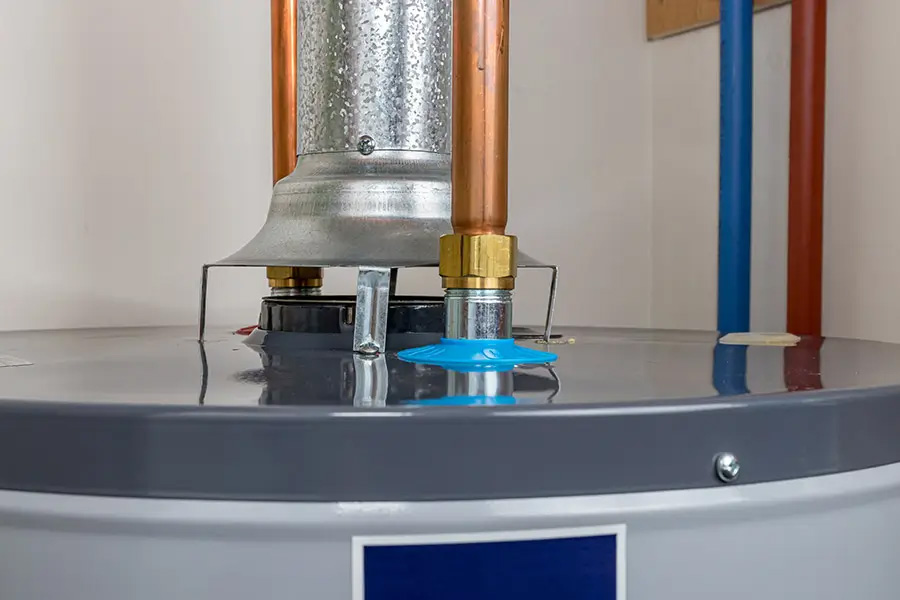
- Testing the pressure relief valve: This safety component prevents excessive pressure buildup within the tank. Confirming it operates correctly is a straightforward but important part of routine maintenance.
If it has been more than a year since the water heater received professional attention, scheduling a maintenance visit is a practical step to prevent the warning signs described throughout this article.
Keeping Hot Water Reliable in Whittier
Water heater problems are manageable when they are caught early and addressed by a qualified professional. Strange noises, inconsistent temperatures, rusty water, leaks, unusual odors, frequent resets, and overdue maintenance are all signals worth taking seriously — each one an opportunity to intervene before a minor issue becomes a major repair or a full unit replacement.
Happy Camper Heating, Air & Plumbing is available around the clock to serve Whittier homeowners with water heater repair, maintenance, and installation. Contact our team today to schedule a service visit and ensure your home’s hot water supply remains reliable year-round.