



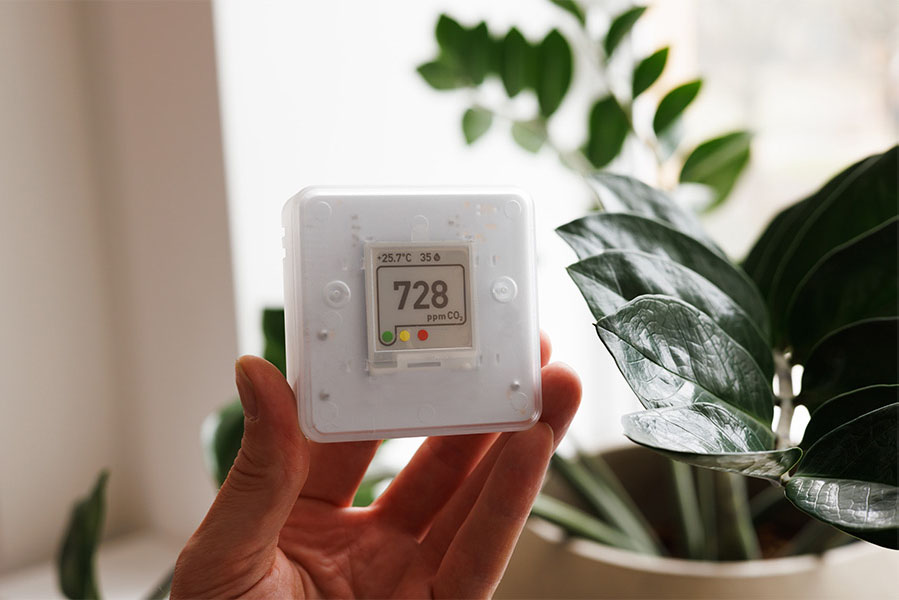
Wildfire season has a noticeable impact on indoor air quality throughout Fullerton, as smoke and airborne pollutants find their way into homes even when doors and windows stay shut. Hazy skies and that distinct acrid smell are common signs during peak fire season, and both can worsen respiratory issues, particularly for children, older adults, and anyone with existing lung sensitivities. Particulate matter and volatile organic compounds accumulate indoors more than most homeowners realize, creating conditions that affect comfort and health long after the smoke outside has cleared. Understanding what is happening inside your home during wildfire season is the first step toward keeping it safe and breathable.
How Wildfires Impact Air Quality in Fullerton, CA
When wildfires burn in the hills and canyons surrounding the region, the smoke and particulate matter they generate travel far beyond the fire line. In our service calls throughout Fullerton, especially in neighborhoods near Laguna Lake and the areas closer to the foothills, we see how quickly outdoor air quality changes translate into indoor problems once smoke settles over the area.
Hazy skies and a lingering smoky odor are the most obvious signs, but the real concern is what those conditions do to respiratory health. Pollutants from wildfire smoke can aggravate asthma, trigger coughing and irritation, and pose a heightened risk to children, older adults, and anyone with pre-existing respiratory conditions.
Staying informed during wildfire season matters. Monitoring local air quality reports and limiting outdoor activity when conditions worsen are useful first steps. It is also worth having your gas appliances checked to confirm they are venting properly, since a system that is not functioning correctly can compound indoor air quality problems at the worst possible time. Our gas leak repair and installation service addresses this exact concern for Fullerton homeowners.
Beyond appliance safety, keeping windows closed and running a quality air purification setup goes a long way toward minimizing smoke infiltration. Based on what we see in Fullerton properties, the homes that fare best during heavy smoke events are the ones that treated air quality as a priority before the season started, not after the smoke rolled in.
Common Indoor Pollutants During Wildfire Season
Wildfire smoke does not stay outdoors. It works its way into homes through small gaps, ventilation paths, and anywhere air exchange occurs, introducing several types of pollutants that can linger well past the fire itself.
Particulate matter is the most immediate concern. These fine particles infiltrate living spaces and irritate the lungs, especially with repeated exposure over the course of a smoky week or month. Volatile organic compounds released from burning vegetation and materials add another layer of concern, often settling into fabrics, carpets, and furnishings where they continue off-gassing long after the initial exposure.
Smoke odor itself tends to become trapped indoors, making the air noticeably less pleasant even once visible haze has cleared. Wildfire season can also bring shifts in humidity that create favorable conditions for mold growth, which introduces its own set of allergens and irritants into the mix.
A system that is not maintained properly struggles to keep up with these added demands. Working in homes across Fullerton, we consistently find that regular AC maintenance makes a measurable difference in how well a home’s air handling system filters and circulates air during periods of heavy outdoor pollution.
Signs Your Indoor Air Quality Is Compromised
Recognizing early signs of poor indoor air quality helps you address the problem before it affects your household’s comfort or health. Coughing, sneezing, or worsening allergy and asthma symptoms are often the first indicators, particularly among household members who are more sensitive to airborne irritants.
Unusual odors, whether smoke, chemical, or otherwise, are another signal worth taking seriously. Excess humidity is also worth monitoring, since elevated moisture levels create the right conditions for mold growth, which further degrades air quality over time.
Visible changes matter too. If dust seems to be accumulating on surfaces more quickly than usual, that often points to filtration that is no longer performing effectively. Persistent headaches or fatigue, while easy to attribute to other causes, can also be a sign that indoor air quality has declined.
One of the clearest signals is an HVAC system that runs constantly without effectively heating or cooling the home. That pattern often means the system is straining to filter out contaminants on top of its regular workload. Scheduling furnace inspections at the first sign of reduced performance can help catch these issues before they escalate into larger air quality or comfort problems.
Effective Strategies to Improve Indoor Air Quality
While the source of wildfire smoke is outside anyone’s control, there is a meaningful amount homeowners can do to protect the air quality inside their homes:
- High-efficiency filtration: Upgrading to high-efficiency filters in your HVAC system helps capture a greater share of the fine particles that circulate through the air during smoke events.
- Portable air purifiers: Placing air purifiers in high-traffic rooms adds an additional layer of filtration beyond what the central system alone can provide.
- Sealing gaps: Confirming that windows and doors are properly sealed reduces the amount of outdoor smoke that finds its way indoors.
- Smart ventilation: Using exhaust fans in kitchens and bathrooms supports air circulation without pulling in outdoor smoke the way an open window would.
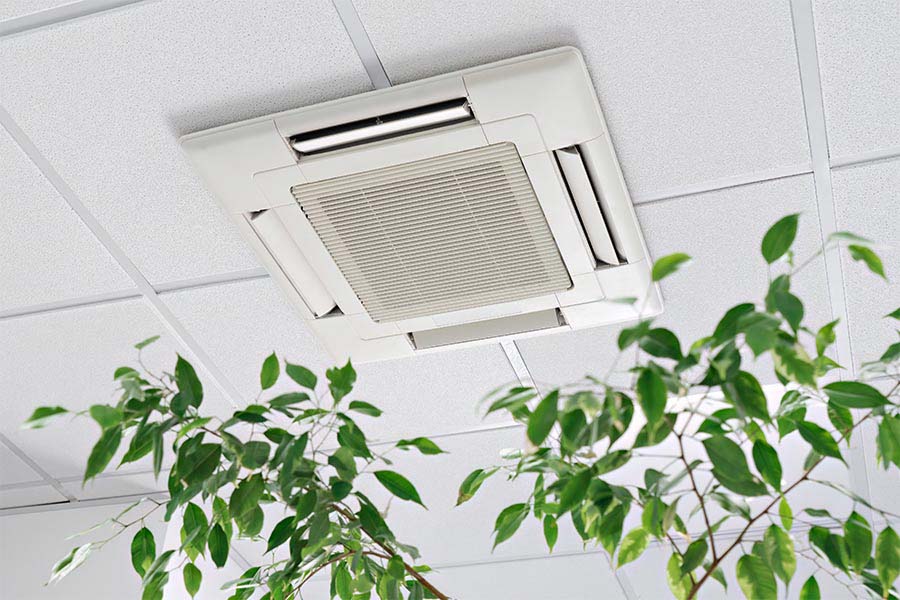
- Routine AC maintenance: Reliable AC maintenance services keep your system performing at its best, which directly supports better indoor air quality throughout wildfire season and beyond.
When to Call Professionals for Air Quality Concerns
Some air quality issues call for a professional assessment rather than a wait-and-see approach. Persistent odors, unusual dust buildup, or respiratory symptoms among family members are all signs that it is time to bring in an expert rather than continuing to manage the situation on your own.
Wildfire smoke introduces particles that are not always addressed by standard household measures, which makes a professional evaluation especially valuable during peak fire season. Frequently clogged air filters, difficulty maintaining a comfortable temperature or humidity level, or general uncertainty about whether your air purification setup is doing its job are all good reasons to reach out.
Clearing the Air with Happy Camper
At Happy Camper Heating, Plumbing, and AC Repair, your family’s health and comfort are always the priority. We provide thorough assessments and practical solutions tailored to your home, helping Fullerton households stay safe and comfortable through wildfire season and every season after it. If you have concerns about your indoor air quality, contact our team today to schedule an evaluation.